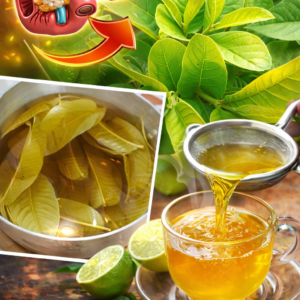
Licorice Root: A Natural Treasure with Multiple Benefits
Licorice root is one of those remedies that seems to have traveled back in time. It has been used for centuries in different cultures, from traditional Chinese medicine to our grandmothers’ home remedies. Its sweet and slightly earthy flavor has not only won over those who use it in infusions or candies, but has also attracted attention for its medicinal properties.
Beyond being a curious ingredient, licorice is a plant that can provide great benefits to our well-being, as long as it is consumed properly and without excess. Some people take it to relieve digestive discomfort, others to soothe the throat, or even to support respiratory health. The truth is that this root has a lot to offer and is worth learning more about.
Natural support for the digestive system
One of the best-known uses of licorice root is its ability to help the stomach. Many people use it to relieve heartburn, gastritis, or indigestion. Its natural compounds help protect the gastric mucosa, forming a kind of “protective layer” that soothes irritation and facilitates recovery. It can also stimulate the production of stomach mucus, which helps reduce the damage caused by acids.
Relief for the throat and respiratory tract
If you’ve ever had a persistent cough or sore throat, you’ve probably heard that licorice can be a good ally. This is because it acts as a natural softener, soothing irritation and helping to expel mucus. For this reason, many herbal teas for coughs include licorice in their formula. It can also provide an anti-inflammatory effect that contributes to better breathing.
A boost against stress and fatigue
Licorice root has also been studied for its potential to support the adrenal glands, which are responsible for regulating the body’s response to stress. Consumed in small amounts, it can help maintain stable energy levels and combat that feeling of chronic fatigue that sometimes accompanies us.
Anti-inflammatory and Antioxidant Properties
Thanks to its flavonoid content and other active compounds, licorice can help fight inflammation and cellular damage caused by free radicals. This is not only good for internal health but can also result in healthier skin and a stronger immune system.
Important Precautions
Although licorice is a plant with multiple benefits, excessive consumption can have side effects. Glycyrrhizin, one of its main components, can raise blood pressure and cause fluid retention if taken in large quantities or for prolonged periods. Therefore, it is not recommended for people with hypertension or heart problems without medical supervision. It is also important not to confuse natural licorice with artificially flavored candies, which do not offer the same benefits and may contain large amounts of sugar.
How to Consume Licorice
The most common way to consume licorice is as an infusion, brewing the dried root in hot water. It is also found in liquid extracts, capsules, and mixed with other herbs to create natural remedies. Those seeking relief from respiratory discomfort often prefer its use in infusions, while for digestive support, it can be useful in capsules or tablets.
In short, licorice root is a perfect example of how nature provides us with tools to care for our bodies. However, it is always key to maintain moderate consumption and, if you have a health condition, consult a specialist before incorporating it regularly.