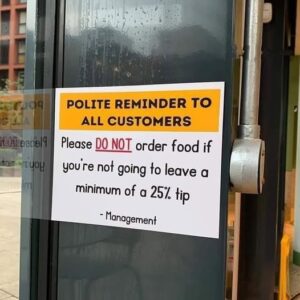
Some meals stay with you—not because of the food, but because of an experience that shifts the way you see others. My wife and I stopped at a small restaurant after a long day, hoping for a quiet evening. The service felt slow and tense, and by the time we finished, I left a modest 10% tip without giving it much thought. As we headed for the door, the waitress called out with frustration in her voice, which startled both of us. My wife urged me to speak to the manager, but something in the waitress’s tone suggested she was having a difficult day. Instead of reacting with frustration, I turned to my wife and said, “Just watch,” before heading back inside.
I asked to speak with the manager privately. Away from the dining area, I calmly explained what had happened, noting that the waitress didn’t seem careless—she seemed overwhelmed. I mentioned her shaky hands, her stressed expression, and the way her emotions felt tied to something beyond our table. The manager nodded, confirming that she had been working long shifts while handling personal challenges. He appreciated that I approached the situation with understanding rather than criticism. When I returned to the dining room, I saw the waitress quietly cleaning a table, clearly unsure of what would happen next.
Instead of addressing her directly, I walked to the tip jar and added a folded note along with enough cash to raise the tip significantly. The note read: “Everyone has difficult days. I hope yours improves. Thank you for your effort.” I didn’t wait for a reaction. I didn’t want her to feel uncomfortable or watched. When I reached the door, my wife looked puzzled but said nothing. Before we reached our car, the restaurant door opened and the waitress approached us with tears in her eyes. She apologized for her earlier frustration and explained that she had been juggling long shifts while caring for a family member. My wife immediately softened, offering her kindness and reassurance.
The drive home was quiet until my wife finally said, “I thought you went back in to report her.” I told her that sometimes the most helpful response isn’t criticism—it’s compassion. A single thoughtful gesture can’t solve someone’s challenges, but it can bring comfort in a difficult moment. As we pulled into our driveway, she squeezed my hand and said, “I’m glad you handled it that way.” That evening reminded us both that patience and understanding often matter most when they’re hardest to offer—and that choosing kindness has the power to brighten someone’s day in ways we may never fully see.