SPAM: What does it stand for, and what are its ingredients?

SPAM is one of the most iconic pantry staples, often found in grandparents’ kitchens. Introduced

in 1937 by Hormel Foods, it gained worldwide popularity during World War II when rationing made fresh meat scarce.

What the name stands for has long been debated. Some say “Specially Processed American Meat” or “Shoulder

of Pork and Ham,” while others suggest “Salt Preserves Any Meat.” The most accepted version comes from

Ken Daigneau, who reportedly coined SPAM as a portmanteau for “spiced ham” in a Hormel naming contest,

winning $100. Company founder Jay Hormel called it the perfect name.

Despite the mystery, the ingredients are straightforward: pork, water, salt, potato starch, sugar, and sodium nitrate.

According to Hormel, SPAM filled a need for inexpensive meat during the Great Depression, then became indispensable during the war.

Production is also simple. Pork and ham are ground, mixed with the other ingredients for 20 minutes,

packed into cans, vacuum-sealed, cooked, and cooled for three hours before labeling.

Today, SPAM remains a cultural and culinary icon, loved by some and questioned by others,

but always intriguing for the story and simplicity behind that little blue can.

Related Posts

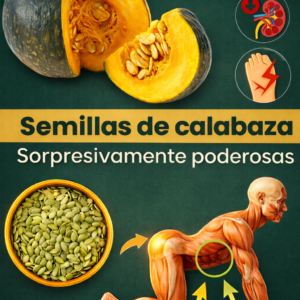
Cómo Integrar Semillas de Calabaza en tu Día a Día y Qué Cambios Notar con el Tiempo

Las semillas de calabaza, también conocidas como pepitas, son un alimento sencillo pero nutricionalmente denso que puede encajar fácilmente en una rutina de bienestar. Aportan proteínas vegetales,…

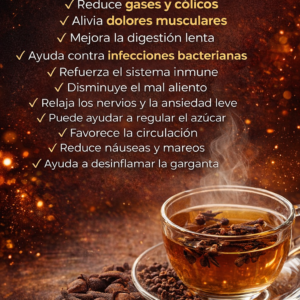
Cómo Preparar Té de Clavo de Olor y Disfrutarlo de Forma Consciente

El té de clavo de olor es una infusión especiada y aromática que ha acompañado tradiciones culinarias y domésticas durante siglos. Su sabor intenso y cálido lo…

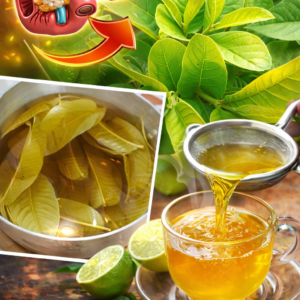
Cómo Incorporar las Hojas de Guayaba a tu Rutina de Bienestar

Las hojas de guayaba han formado parte de prácticas tradicionales durante generaciones, mucho más allá del uso popular de la fruta. Dentro de un enfoque de bienestar…

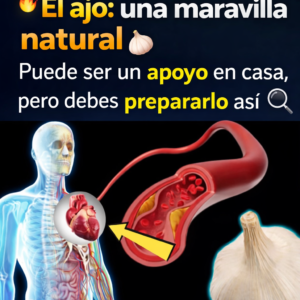
Cómo Usar el Ajo de Forma Responsable Dentro de Hábitos de Bienestar

Desde la antigüedad, el ajo (Allium sativum) ha sido apreciado tanto por su sabor característico como por su lugar en la tradición culinaria y doméstica. Muchas personas…

Having striped nails might mean that your body is

triped nails can have various causes, ranging from harmless cosmetic issues to underlying health conditions. Here are some possible reasons: Natural and Harmless Causes: Aging: Vertical ridges…

Man Refuses to Leave 25% Tip, Igniting Debate on Tipping Culture

Tipping has long been customary in the U.S. and parts of Europe, intended as a reward for exceptional service. Over time, however, it has sparked debate about…