For generations, toilet paper has been such a routine household item that few people ever thought to question it. As environmental awareness grows, however, many households are beginning to reconsider everyday products that once seemed nonnegotiable. Across parts of Europe, including France, and throughout much of the Western world, sustainability conversations have pushed basic hygiene habits into the spotlight. What was once an unquestioned staple is now being examined for its environmental footprint and long-term impact.
Toilet paper became widely used in the 19th century and eventually set the global standard for personal hygiene. Producing it, however, requires significant natural resources—trees, large amounts of water, and energy-intensive processing—all of which contribute to deforestation and industrial waste. Beyond environmental concerns, some studies have prompted discussions about chemical residues in certain paper products. While safety standards exist, these findings have encouraged consumers to pay closer attention to what they use daily and how it may affect both the planet and personal well-being over time.
This growing awareness has sparked renewed interest in alternative hygiene solutions. In many parts of the world, washing with water has long been the norm and is often viewed as more sustainable. Bidets, once uncommon in some regions, are gaining popularity thanks to modern designs that are easy to install and use. Countries such as Japan have already embraced advanced toilet systems that dramatically reduce paper waste while maintaining comfort and cleanliness. Reusable fabric-based options have also emerged for households focused on minimizing waste, offering washable, long-lasting alternatives for those willing to adapt.
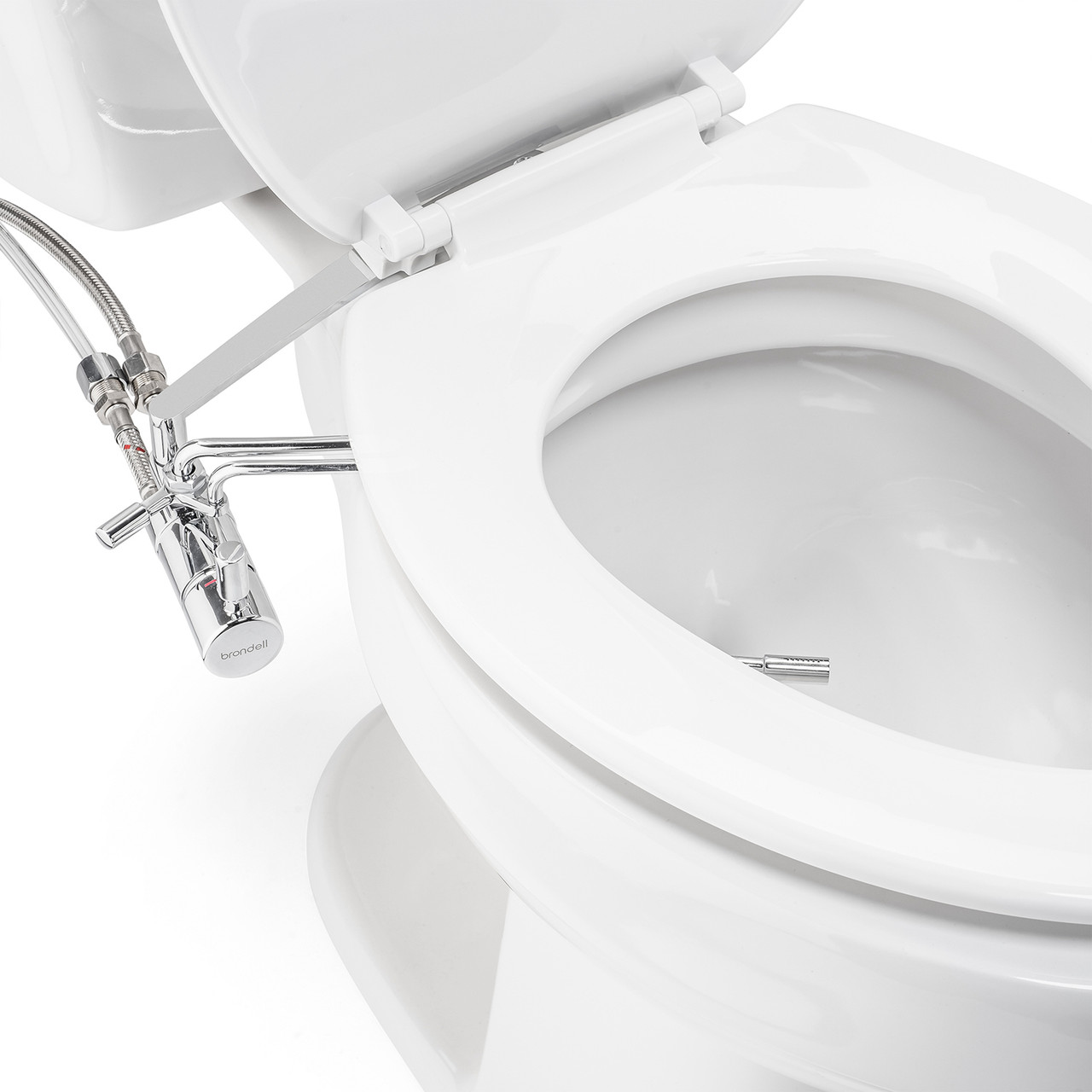

Looking ahead, the future of bathroom hygiene will likely depend on how quickly these alternatives become accessible and widely accepted. While switching to bidets or reusable options may involve upfront costs, many users find that long-term savings and environmental benefits outweigh the initial investment. Increased public awareness, updated building standards, and sustainability incentives could further support this shift. Ultimately, exploring alternatives to traditional toilet paper reflects a broader move toward mindful living—one that balances comfort, health, and environmental responsibility in everyday choices.