A chemical in breakfast food has raised concerns after researchers linked it to an increased risk of heart attack and stroke. Acrylamide, a chemical formed during cooking, could raise the chances of these cardiovascular emergencies by up to 60%, according to a recent study.

Spanish researchers reviewed data from over 100,000 individuals across dozens of studies since 2007. Their findings, published in the Nutrients journal, revealed that acrylamide intake is associated with a higher risk of cardiovascular events and deaths from conditions like heart attacks and strokes.
What Is Acrylamide?
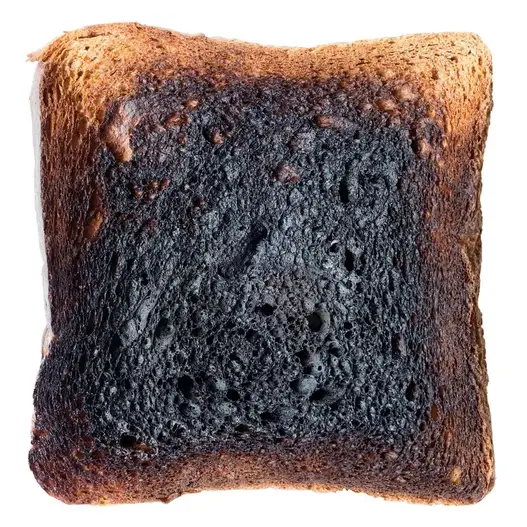
Acrylamide is a chemical in breakfast food that forms when starch-heavy foods, such as bread and potatoes, are heated through processes like baking, frying, or roasting. Burnt carbohydrates, such as overly toasted bread, contain especially high levels of acrylamide—a concern for many who consume toast as part of their daily breakfast.

The study found that diets with higher levels of acrylamide exposure significantly increased the risk of cardiovascular death by 33% to 66%. For vulnerable populations, like those at risk for type 2 diabetes, the danger was even greater—showing up to an 84% increased risk of death from cardiovascular issues.
How Much Acrylamide Is in Your Food?
Professor Oliver Jones of RMIT University explained that an average slice of toast contains approximately 4.8 micrograms of acrylamide. Across the studies analyzed, daily acrylamide intake ranged from 32.6 to 57 micrograms, with negative cardiovascular outcomes observed at the higher end of the spectrum.
Acrylamide exposure doesn’t just come from ultra-processed foods; it’s also present in home-cooked and restaurant meals, even when using modern methods like air frying. This has made reducing acrylamide production a top priority for the food industry.
Minimizing Acrylamide Exposure
To reduce acrylamide intake, experts recommend avoiding burnt or overly browned foods. The NHS suggests aiming for a “golden yellow” color when toasting bread or frying potatoes.
Sir David Spiegelhalter of Cambridge University reassures that consuming acrylamide in moderation is not likely to cause immediate harm. He stated that one would need to eat 160 burnt slices of toast daily for a severe impact. However, following guidelines to limit exposure is still a sound approach.
Please SHARE this article with your friends and family on Facebook.