Rediscovering the P-38 Can Opener: A Journey into History
Nestled in the palm of a hand, the compact metal gadget hardly betrays its venerable history and the sense of nostalgia it evokes. It’s the P-38 can opener, a simple yet ingenious device issued to military personnel starting in World War II. This tiny tool, with its folding sharp tip, speaks volumes about the era of its inception—a time when practicality and compact design were paramount, especially in the field of combat.
A Link to the Past in a Kitchen Drawer
In an age where the buzz of electric gadgets and the hum of high-tech kitchen appliances dominate, stumbling upon a P-38 can opener in the back of a kitchen drawer is like finding a hidden treasure—a link to a past where resourcefulness was a necessary skill, and devices were built to last. The P-38 is more than just a tool; it’s a testament to the cool ingenuity of old inventions.
The P-38: A Companion in Times of War
Picture the soldier, far from home, field rations his only sustenance, depending on this small piece of folded metal to access his meals. It was designed to be easily carried, not to be a burden, but to be at the ready, a faithful companion during the uncertainties of war. The P-38 didn’t just open cans; it pried open a space for soldiers to share stories, a momentary reprieve as they gathered around to enjoy their rations together.
Stories of Survival and Camaraderie
This small artifact holds stories of camaraderie and survival. Its design is so efficient that it continues to be used and admired by outdoor enthusiasts and survivalists today. The P-38 requires no power source, no instruction manual, and no maintenance, yet it performs its task admirably. It is a marvel of simplicity—just a piece of metal, yet an emblem of a generation that valued utility and simplicity.
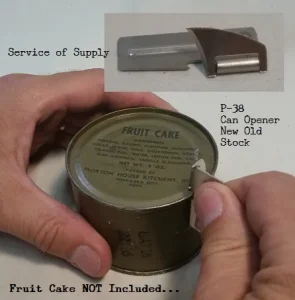
Minimalism in the Modern Age
While modern can openers might boast ergonomic handles and electric motors, there is something inherently cool about the P-38’s minimalism and the raw interaction it demands. Using it is a tactile experience; it connects us with the hands-on approach of the past. It reminds us that before the digital age, before the rise of disposable consumerism, there were objects like this, made with the intention of lasting a lifetime.
Appreciating Timeless Design
Rediscovering the P-38 can opener invites us to pause and appreciate the brilliance behind many such old inventions. Their creators didn’t just solve a problem; they crafted a legacy that would endure well beyond their years. They remind us that innovation isn’t just about creating the new, but also about the timeless beauty of design that serves a purpose, endures, and continues to tell a story, even in silence.