Ever wondered what goes into that iconic canned meat called SPAM? You’re not alone! SPAM has been a pantry staple for decades, beloved for its unique taste and versatility. Let’s dive into the world of SPAM and uncover its secrets.
Origins and Name
SPAM, created in 1937 by Hormel Foods, has become a household name worldwide. But what does SPAM actually stand for? The true meaning remains a mystery. Some say it stands for “Shoulder of Pork And Ham,” while others suggest “Specially Processed American Meat.” The exact origin of the name adds to the intrigue of this beloved canned meat.
Varieties and Ingredients
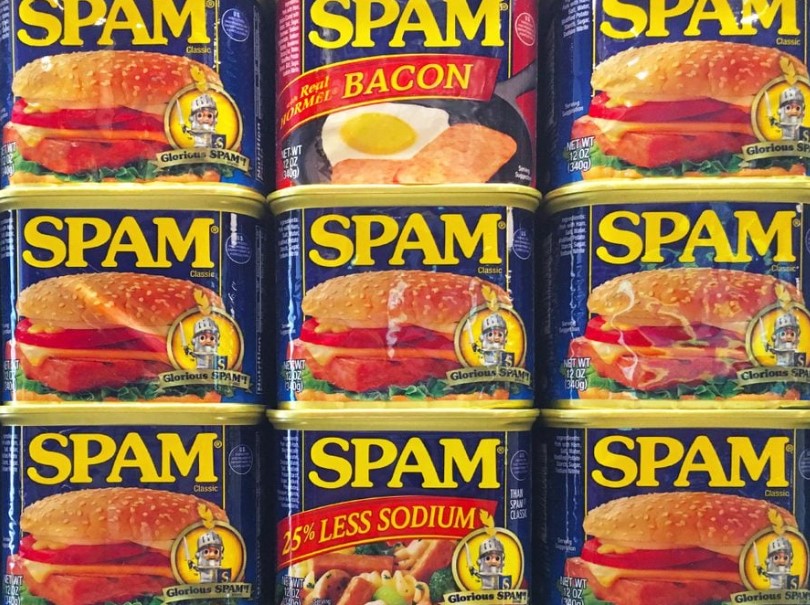
SPAM comes in various flavors to cater to different tastes. From the classic original to Hickory Smoke, Hot & Spicy, and even SPAM with Cheese, there’s a SPAM for everyone. It contains six simple ingredients: pork with ham, salt, water, potato starch, sugar, and sodium nitrite.

Sodium Nitrite: A Key Ingredient
Sodium nitrite, often raising questions, serves as a preservative in processed meats. It inhibits bacterial growth and prevents spoilage, ensuring SPAM stays fresh and safe for an extended period. Some people prefer to limit their sodium intake, but this ingredient plays a crucial role in preserving SPAM.
The Naming Contest
The name “SPAM” was suggested by Ken Daigneau, a successful actor and the brother of a Hormel Foods executive. Ken came up with the name during a naming contest held by Hormel Foods. He won a prize of $100, a significant sum in the late 1930s. Little did he know his suggestion would become a household name and an enduring part of popular culture.
Cultural Impact and Versatility
SPAM has transcended its humble origins to become a cultural phenomenon. It inspires creative recipes, catchy songs, and even theatrical performances. Its versatility allows it to be fried, baked, grilled, or enjoyed straight out of the can. From breakfast scrambles and sandwiches to pizza toppings and sushi fillings, SPAM knows no culinary boundaries.
Created in 1937 in Austin, Minnesota, by Hormel Foods, SPAM remains a culinary icon and a source of fascination. While the exact origins of its name remain unclear, SPAM’s combination of pork with ham and a few other ingredients continues to captivate taste buds and spark culinary creativity worldwide. The next time you see that unmistakable blue and yellow can, give SPAM a chance – you might discover a new favorite ingredient in your kitchen!