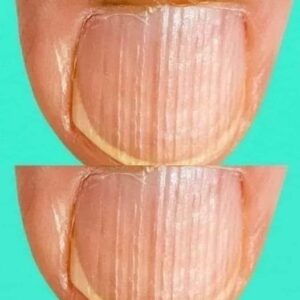
Diabetes is a disease that affects the body’s ability to produce or respond to insulin, resulting in high blood sugar levels. The first symptoms can be so subtle that some people may consider them insignificant. If left untreated, diabetes can not only decrease quality of life but also reduce life expectancy, which is why it is so crucial to diagnose the disease early.
This list shows the most common early signs of diabetes that will help you detect the disease in time.
1. Itchy skin
As mentioned above, when excess sugar is excreted in your urine, it takes fluids from your other tissues, including your skin (your largest organ!). Dry skin can be itchy, and scratching dry skin can cause the skin to become damaged and even infected. Another reason for itchy skin is fungal infections, which are quite common in people with diabetes.
2. Dark spots on the skin
Acanthosis nigricans is a skin condition that presents as dark patches of skin with a velvety texture. They usually appear in areas where the skin folds or stretches most often: on the neck, armpits, groin, elbows, behind the knees, and on the joints of the fingers.
Although this condition can affect otherwise healthy people, it is a common sign of prediabetes or diabetes and should be checked out by your doctor.
3. More appetite
Excessive appetite (polyphagia), along with the increased thirst and urination mentioned above, are the 3 main signs of diabetes. If your body doesn’t produce enough (or any) insulin or respond to it normally, it can’t convert food into the glucose your cells use for energy. And this causes greater hunger that does not go away after eating. In fact, eating only makes your blood sugar rise even more.
If you continue to eat but your hunger persists, you may need to see a doctor, even if you don’t appear to have other symptoms of diabetes.
4. Tingling in the hands or feet
Tingling or pain in your hands or feet (or fingers or toes) is another common sign of diabetes. As mentioned above, high blood sugar leads to poor blood circulation, and this in turn causes nerve damage. Hands and feet, being the parts of the body furthest from the heart, suffer first.