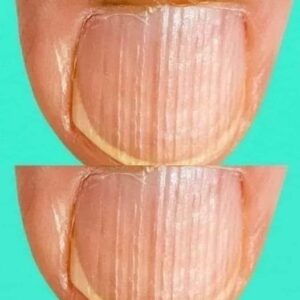
If You Notice Painful Red Bumps, You Might Have Dyshidrotic Eczema
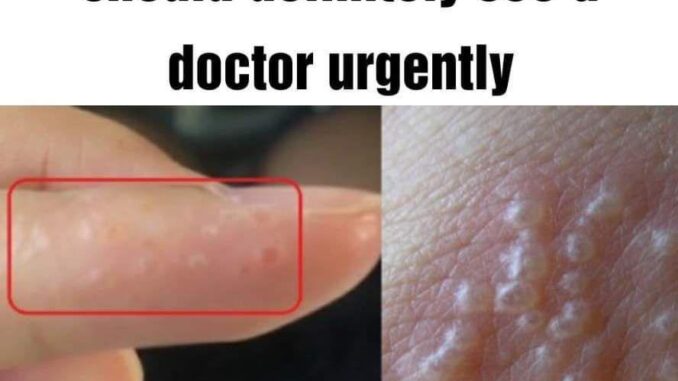
Everyone eagerly anticipates spending time outside and taking advantage of the beautiful weather as summer draws near. But the season can be difficult for people with eczema, especially dyshidrotic eczema.
Little, itchy blisters on the tips of fingers, toes, palms, and soles are a common springtime flare-up for this kind of eczema.
Eczema cannot be healed, but it can be controlled, so you can enjoy the sun without worrying all the time.
Dermatitis, another name for eczema, is a disorder that results in skin irritation. About 35 million Americans suffer from it, making it a problem for millions of people in the country.
Although it usually first appears in children under five, eczema can persist until adulthood. A flare-up is characterized by swollen, red, and itchy skin along with fluid-filled pimples that may ooze and crust over.
Eczema is not communicable, however it can run in families. It is frequently brought on by an allergic reaction.
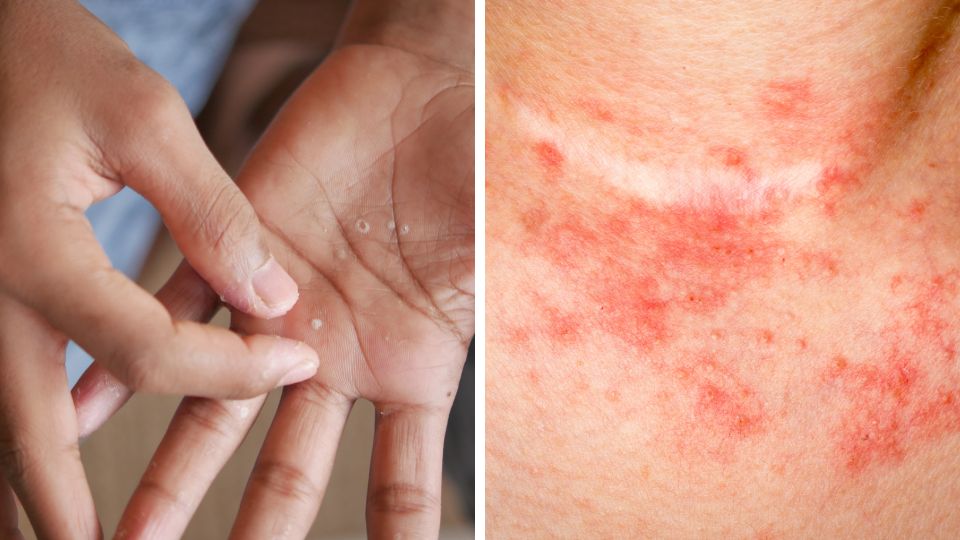
A particular kind of eczema called dyshidrotic eczema creates tiny, excruciatingly irritating blisters on the tips of fingers, toes, palms, and soles of the feet.
These blisters may take weeks to cure and are quite painful. The illness is more prone to flare up in the spring and is linked to seasonal allergens.
Several names are used to refer to dyshidrotic eczema, including:
- Pedopompholyx (affects the feet)
- Cheiropompholyx (affects the hands)
- Vesicular palmoplantar eczema
- Dyshidrosis
- Foot-and-hand eczema
- Dyshidrotic dermatitis
- Vesicular eczema
- Pompholyx
Dyshidrotic eczema symptoms include deep-set blisters on the hands and feet, intense itching, redness, flaking, pain and scaly, damaged skin.
This kind of eczema usually affects adults in their 20s to 40s and is more common in women than in males. Atopic dermatitis, hay fever, and contact dermatitis increase an individual’s risk.
Dyshidrotic eczema can run in families, thus the likelihood of you getting it increases if you have a family member who has it.