Emma Heming Willis has spoken candidly about her husband Bruce Willis’s worsening condition, revealing that his “brain is failing” and that he is steadily losing his ability to communicate.
The Die Hard star, now 70, was diagnosed with frontotemporal dementia more than three years ago. Heming Willis, who is preparing to release a book chronicling her family’s experience with the illness, shared that while the decline has been difficult, she and her loved ones have found ways to adapt.
Alongside telling her family’s story, she is using her platform to advocate for other caregivers who face similar challenges.
In an interview with ABC, Emma said “Bruce is still very mobile. Bruce is in really great health overall, you know. It’s just his brain that is failing him.”
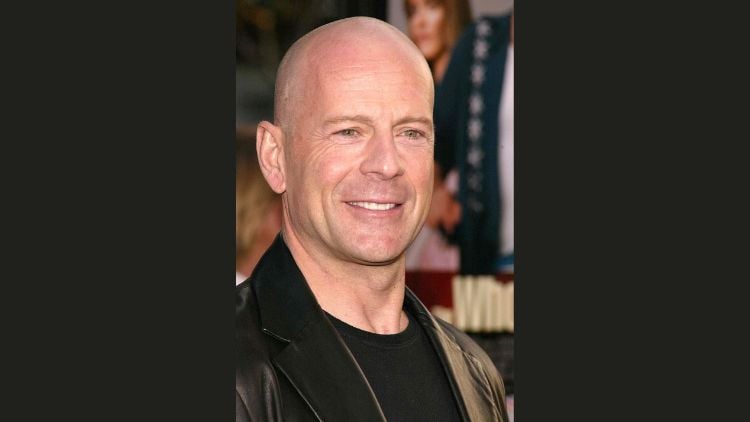
“The language is going, and, you know, we’ve learned to adapt. “And we have a way of communicating with him, which is just a… different way.”
In 2023, the Willis family disclosed that the actor had been diagnosed with frontotemporal dementia. Per the Cleveland Clinic, “Frontotemporal dementia (FTD) is a progressive brain disease. This means over time, it causes parts of your brain to deteriorate and stop working. Depending on where it starts in your brain, this condition affects your behavior or ability to speak and understand others. It’s not curable or treatable, but some symptoms might be treatable.”
Emma Heming Willis (47), model and entrepreneur, admitted that in the beginning she felt she had to manage her husband’s illness alone, which left her exhausted and isolated.
She now hopes her upcoming book, Unexpected Journey: Finding Strength, Hope, and Yourself on the Caregiving Path, will guide others caring for loved ones with dementia. Despite the challenges, she shared that the family—including the couple’s two daughters and Bruce’s three daughters with Demi Moore—still catch glimpses of his true self, sometimes seeing the familiar “twinkle in his eye,” even if only for brief moments.
Bruce is now residing in a nearby care residence where he can receive round-the-clock support.
“It was one of the hardest decisions that I’ve had to make so far,” Emma said in the ABC special interview. “But I knew, first and foremost, Bruce would want that for our daughters.”
“You know, he would want them to be in a home that was more tailored to their needs, not his needs,” Emma added.
Emma shared that their daughters, Mabel, 13, and Evelyn, 11, spend plenty of time with their father, often joining him for breakfast and dinner at the house.