What’s Really in Your Canned Pumpkin Purée?
A Question You Might Not Have Asked
Most of us never question canned pumpkin. It says “pumpkin” on the label, sits in the pumpkin aisle, and makes pumpkin pie taste like fall. But here’s the twist: that can may not hold the bright orange pumpkin you’re picturing.
Not the Jack-o’-Lantern Pumpkin
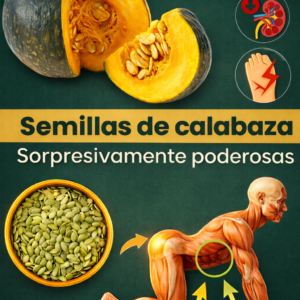
When you think of pumpkin, you probably imagine the big orange globe with a candle inside. Canned pumpkin isn’t that. Instead, it comes from close relatives in the squash family. According to the FDA, the term “pumpkin” is flexible. Companies can label purées made from other varieties—like Cucurbita maxima and Cucurbita pepo—as pumpkin.
The Libby’s Factor
Libby’s, which produces about 85% of canned pumpkin in the U.S., uses its own variety: the Dickinson pumpkin. These aren’t the pumpkins you carve. They’re tan, long, and closer to butternut squash in appearance. Still, they belong to the pumpkin family.
Over the years, Libby’s even bred its own strain to create smoother, less stringy flesh. For pie bakers, that’s a good thing. No one wants fibrous pumpkin strands in dessert.
Pumpkin vs. Squash: Just Semantics
Some people feel misled when they learn the truth. But this isn’t a food scandal—it’s a naming issue. Pumpkins and squashes share the same plant family. “Pumpkin” simply sounds better on a label than “squash purée.”
And to be clear, Libby’s isn’t hiding anything. They show Dickinson pumpkins in their videos. They just don’t look like the orange pumpkins you put on your porch.
Why It Works Anyway
The canned pumpkin you buy is grown specifically for pies, soups, and muffins. It’s smooth, flavorful, and performs well in baking. If you imagined someone scooping jack-o’-lantern guts into a can, that was never the reality.
And honestly? That’s good news. Jack-o’-lantern flesh tastes bland and stringy. What you get in the can is designed to blend smoothly with cinnamon, nutmeg, and sugar—the real flavors of pumpkin pie.
The Bottom Line
So, is canned pumpkin “real” pumpkin? Technically, yes—just not the pumpkin you picture. Whether you call it Dickinson, squash, or pumpkin-adjacent, it does its job.
Next time someone interrupts dessert with, “That’s not real pumpkin,” you can smile and say:
“Maybe not—but it’s still pie.”