We all love a juicy, flavorful tomato—whether it’s sliced into a sandwich, tossed in a salad, or stewed into sauce. But here’s something nobody really warned me about: where you store your tomatoes matters more than you think. I used to leave mine on the counter, just like my dad did, assuming that was the “natural” way. Turns out, there’s a little more science—and a few surprising risks—behind the perfect tomato storage method.
So, if you’re someone who loves a fresh tomato and doesn’t want to waste a single bite, let’s unpack the truth behind keeping them ripe, tasty, and safe.
The Truth About Tomato Ripening: It Doesn’t Stop at the Store
Tomatoes keep ripening even after they’re picked, thanks to a plant hormone called ethylene gas. This means the moment you bring them home, the countdown begins. Storing them at room temperature helps them finish ripening, which is great for flavor—but not without risks.
Once fully ripe, that same cozy spot on your counter can turn your tomatoes into mushy messes within days. And the hotter your kitchen is, the faster it happens.
Video: Best way to keep Tomatoes Fresh for a long time without freezing – Delay Tomato Ripening Naturally
Why Room Temperature Storage Can Be a Double-Edged Sword
Let’s break it down: tomatoes ripen best between 55°F and 70°F (13°C to 21°C). That’s your window for peak flavor. But here’s the catch—when left too long on the counter, tomatoes can start to deteriorate fast.
Exposure to direct sunlight, warmth, or excess moisture can speed up spoilage. And when they begin to rot, they’re not just unappetizing—they can become breeding grounds for harmful bacteria like Salmonella.
So yes, storing tomatoes on the counter brings out the best in flavor. But leave them out too long? You’re flirting with food safety issues.
How Long Is Too Long? Understanding Tomato Shelf Life at Room Temp
On average, tomatoes can stay on your counter for about 3 to 5 days, depending on their ripeness when you bought them and how warm or humid your kitchen is.
Here’s a simple rule of thumb:
- Firm, underripe tomatoes: Leave them out to ripen.
- Ripe but firm tomatoes: Use within 2–3 days.
- Super ripe or softening tomatoes: Either eat them immediately or pop them in the fridge to buy time.
But that’s not all. Watch out for bruises, cuts, or damaged spots—these tomatoes will spoil faster and could affect nearby produce.
Spoilage Signs You Shouldn’t Ignore
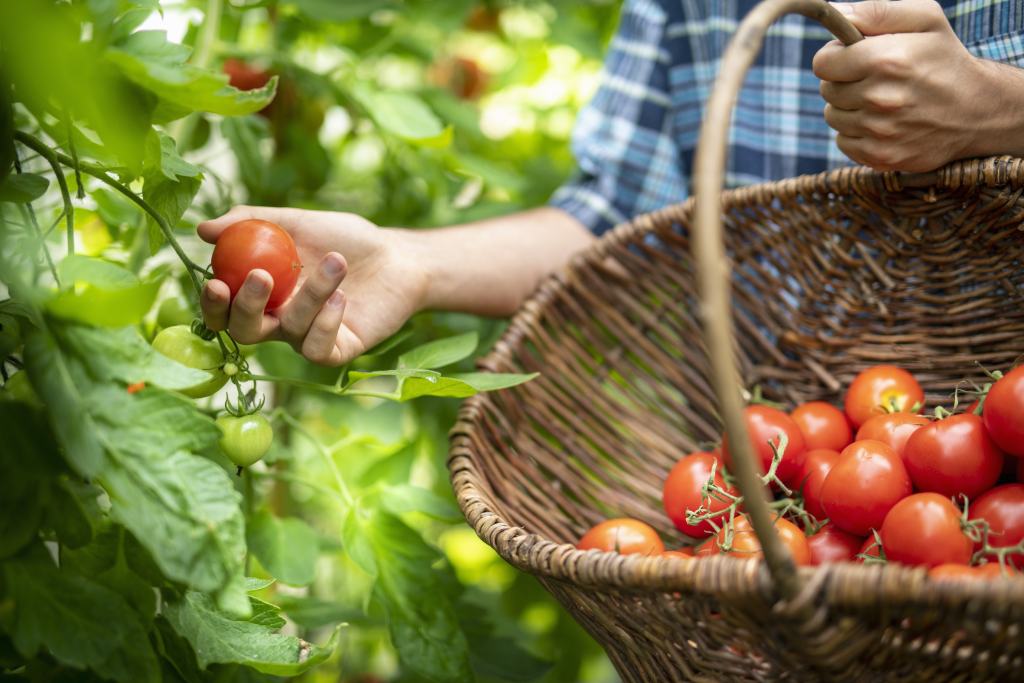
Nobody wants to bite into a bad tomato. Here’s what to look for:
- Too soft or squishy: A slight give is okay—mush is not.
- Sour or funky odor: Trust your nose. If it smells “off,” toss it.
- Dark spots or mold: Obvious signs that it’s gone bad. Don’t cut around it—just discard it.
- Leaky juice or shriveling: That means the internal structure is breaking down.
If one tomato goes bad, it can cause the others nearby to spoil faster. Always remove the culprit to save the rest.
Counter vs. Fridge: The Great Tomato Debate
We’ve all heard that putting tomatoes in the fridge ruins their flavor—and to a degree, that’s true. Cold temps can mess with the texture, making them grainy or mealy.
But what if your tomatoes are too ripe and you’re not ready to use them yet?
That’s when the fridge becomes your friend.
Just follow this tip: Let refrigerated tomatoes come back to room temperature before eating them. This helps recover some of their original flavor and softens that cold-induced texture.
It’s not perfect—but it’s better than wasting them.
Pro Tips for Storing Tomatoes the Right Way
Video: How to Store Tomatoes to Keep the Fresh
Want to maximize flavor while minimizing waste? Try these easy storage tips:
- Store stem-side down: This reduces moisture loss and slows decay at the vulnerable stem scar.
- Keep out of direct sunlight: Light speeds up ripening.
- Avoid plastic bags or sealed containers: Tomatoes need to breathe.
- Use a flat surface with good airflow: A shallow bowl or tray is better than a stacked fruit basket.
And if your tomatoes are ripening too fast? Separate them from other ethylene-producing fruits like bananas, apples, or avocados—those guys will speed up the process even more.
What the Experts Say
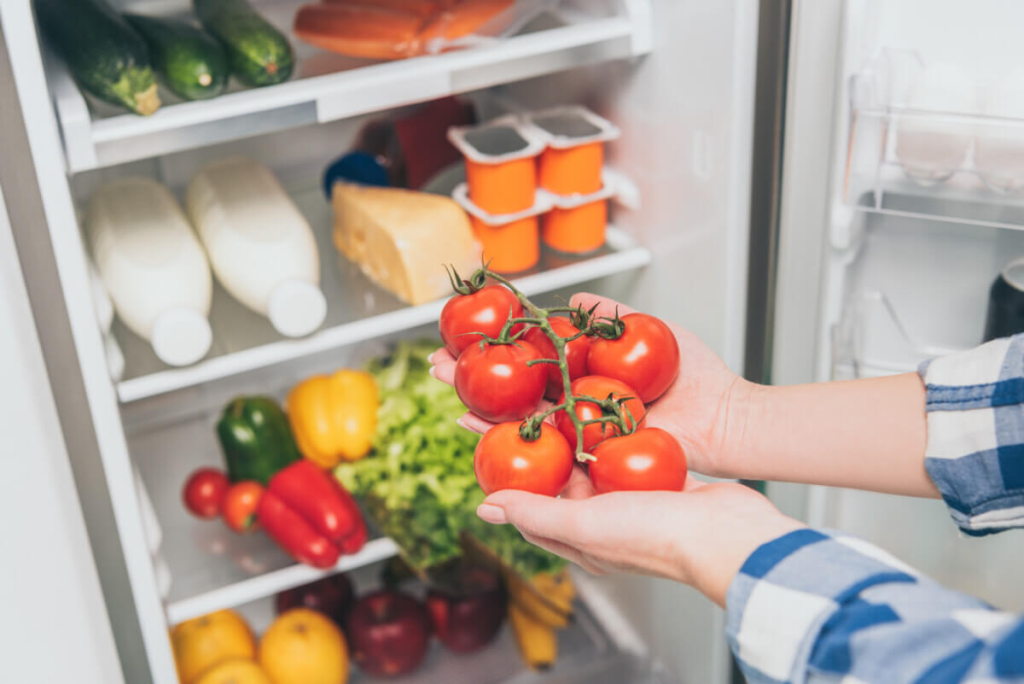
Food scientists and chefs generally agree: ripen tomatoes on the counter for flavor. But once they hit their sweet spot, move them to the fridge if you can’t use them within a day or two.
Also, store them away from onions and potatoes—those aren’t good neighbors for tomatoes and can speed up spoilage.
And no, you don’t need to refrigerate cherry or grape tomatoes unless they’re splitting or overripe. These smaller varieties tend to hold up better, even on the counter.
Conclusion: Don’t Let Good Tomatoes Go Bad
Here’s the deal—storing tomatoes is a balancing act between flavor and freshness. Leaving them out on the counter helps them ripen naturally, enhancing their sweetness and texture. But if you wait too long, you risk spoilage and potential food safety hazards.
The key is knowing when to switch gears. Watch for signs of ripeness, keep them in a cool, dry place, and don’t be afraid to refrigerate when you have to. Just give them time to warm up before you eat them.
Because let’s face it—nothing ruins a recipe like a bad tomato. And now that you know the real storage rules, you’ll never look at your produce drawer the same way again.