Salmon is widely regarded as a healthy food, rich in omega-3 fatty acids, high-quality protein, and essential vitamins. However, overconsumption may pose unexpected health concerns. This article explores the potential dangers of eating too much salmon and shares key tips for consuming it safely.
Salmon Overview
Salmon are migratory fish that transition between freshwater and saltwater habitats. They are born in rivers, grow in the ocean, and return to freshwater to spawn.
Salmon meat is packed with nutrients such as protein, omega-3s, vitamins D and B12, and minerals like selenium, which support heart health and cognitive function.
Popular varieties include Atlantic, Chinook (King), Sockeye, and Dog Salmon. Each type varies in taste, appearance, and geographic origin.
Health Risks of Excessive Salmon Consumption
While salmon is nutritious, consuming it in large amounts can lead to significant health problems. Below are some of the known risks:
Toxin Accumulation
Salmon may also contain harmful substances like heavy metals (e.g., mercury, lead, cadmium) and industrial toxins (e.g., dioxins, PCBs).
Farmed salmon in particular is often exposed to polychlorinated biphenyls (PCBs), a chemical linked to cancer, as well as damage to the immune and nervous systems.
Hazards of Synthetic Coloring
Wild salmon gets its rich color from astaxanthin, a natural antioxidant found in the marine food chain. Farmed salmon, lacking this diet, tends to have duller flesh.
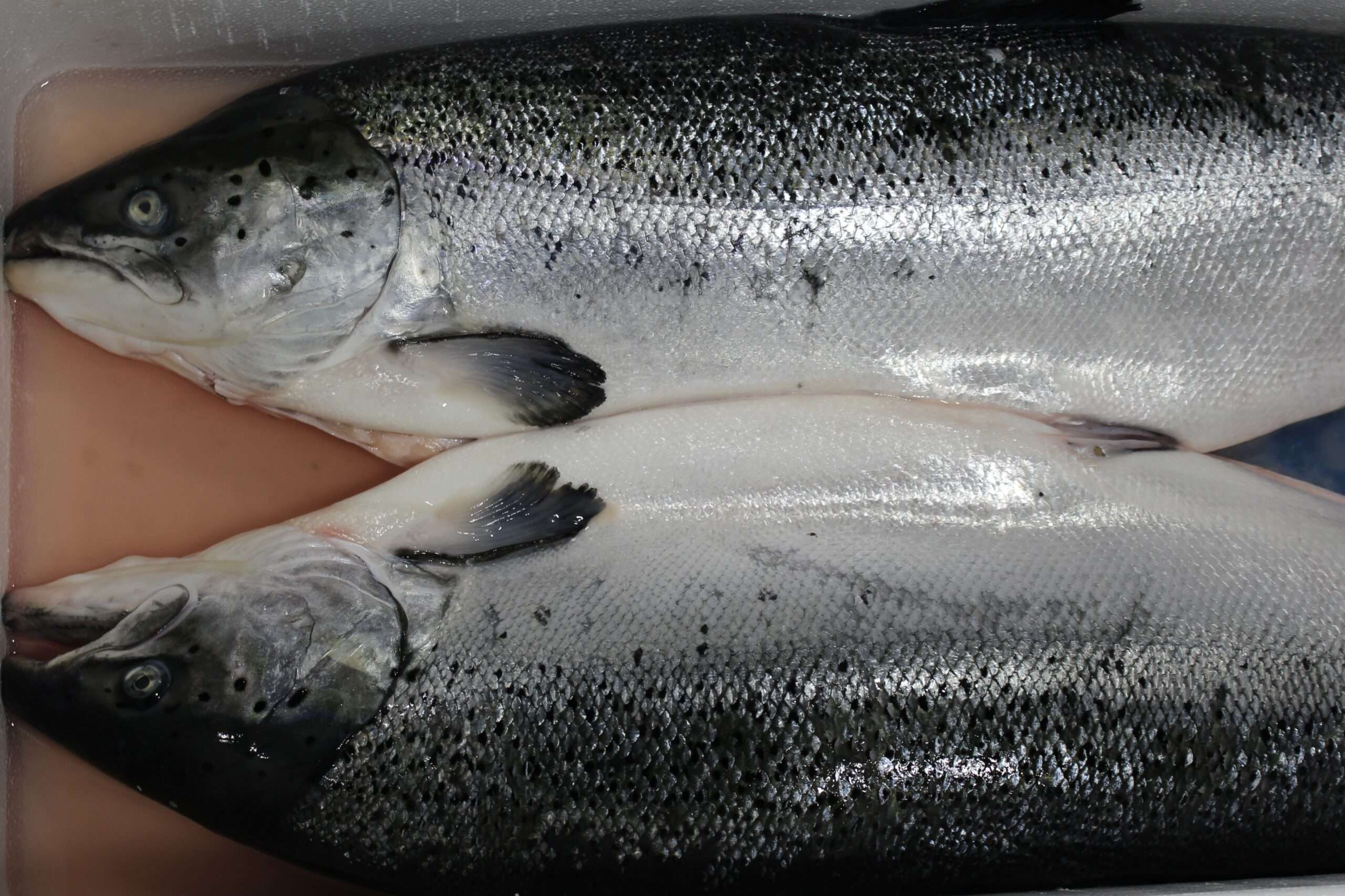
To enhance appearance, artificial coloring is often added. Some of these additives may trigger allergies, hormonal issues, or even contain cancer-causing agents.
Parasite Concerns
Salmon can carry parasites like sea lice, which damage the fish’s skin and organs. Eating large quantities may increase the chance of ingesting these parasites, possibly leading to digestive discomfort or allergic reactions.
Other parasites, like Anisakis, can invade the human digestive tract and cause severe pain, vomiting, or serious allergic symptoms.
How to Eat Salmon Safely
Follow these practices to reduce risk and enjoy salmon healthfully:
Buy from Trusted Sources
Purchase salmon only from reliable vendors. Look for traceability and verified food safety certifications.
Moderate Your Intake
Stick to consuming salmon no more than 2–3 times per week to enjoy the benefits without overexposing yourself to potential contaminants.
Cook Thoroughly
Proper cooking reduces the risk of parasites and bacteria. Avoid eating raw salmon, especially if the source is uncertain.
Watch for Artificial Coloring
Be wary of overly bright pink fish. Opt for salmon that appears naturally colored and doesn’t list additives on the label.
Seek Professional Guidance
If you have health conditions or dietary concerns, consult a nutritionist or healthcare provider to ensure salmon fits safely into your diet.