Psoriasis is more than just a skin condition – it’s an autoimmune disorder that can manifest as scales, spots, or even crumbling nails. It is a condition that must be managed well.
There are five different types of this potentially painful disease and understanding exactly what you’re up against will help you manage it effectively. Remember, it is important to take care of your health.
If you would like to know more about psoriasis, then keep reading!
Psoriasis is an autoimmune disorder that speeds up the life cycle of skin cells, resulting in the rapid buildup of cells on the surface of the skin, forming scales, redness, and inflammation.
The Mayo Clinic describes psoriasis as “a skin disease that causes a rash with itchy, scaly patches, most commonly on the knees, elbows, trunk and scalp.” This is not a rare skin disease but a more common one.
More than 125 million people worldwide, and about 8 million in the U.S. live with the “common, long-term (chronic) disease” that “can be painful, interfere with sleep and make it hard to concentrate.” The condition, after all, has an impact on your health
Though its exact cause is still a mystery, genetics and environmental triggers play a significant role.
The National Psoriasis Foundation (NPF) identifies five types of skin disease, each that comes with a social and emotional toll due to its visible symptoms.
Plaque psoriasis
According to the NPF, this is the most common type of psoriasis, characterized by dry, itchy, raised patches of skin (plaques) covered with scales. These patches can vary in number and typically appear on the elbows, knees, lower back, and scalp. The color of the plaques depends on skin tone and may heal with temporary discoloration, known as post-inflammatory hyperpigmentation, especially on darker skin. Any type of irregularity warrants medical attention.
Key characteristics
- Texture: Thick and scaly
- Color: Red or pink with a silvery overlay
- Itch Factor: Moderate to severe
Guttate psoriasis
Primarily seen in children and young adults, guttate psoriasis often develops after a bacterial infection like strep throat. This type of psoriasis manifests as small, drop-like sores on the trunk, arms, or legs. Unlike plaque psoriasis, guttate spots are thinner and less scaly.
Key characteristics
- Size: Small, teardrop-shaped spots
- Trigger: Infections
- Affected areas: Torso, limbs
Inverse psoriasis
Inverse psoriasis loves to hide in the folds of your skin like the groin, buttocks, and under the breasts. Unlike other types, it doesn’t have the signature scaling. Instead, it presents as shiny, smooth, red patches that can worsen with friction or sweating. Fungal infections are a common trigger for this form of psoriasis.
Key characteristics
- Texture: Smooth and shiny
- Location: Skin folds (where friction and sweat occur)
- Irritation: Often worsened by sweat and rubbing
Because of its location, inverse psoriasis can be tricky to manage and is prone to fungal infections. Keep the area clean and dry!
Pustular psoriasis
This type is less common but dramatic in its presentation. Pustular psoriasis is characterized by white pustules (blisters filled with non-infectious pus) surrounded by inflamed, red skin. It can appear on specific areas like the hands and feet or spread across the body. We discuss some of the symptoms below.
Key characteristics
- Appearance: Blisters filled with pus
- Symptoms: Often accompanied by fever or chills
- Severity: Can range from localized to widespread
Pustular psoriasis needs immediate medical attention. Don’t ignore those tiny blisters – they could be a sign of something serious!
Erythrodermic psoriasis
This is the rarest and most severe type, causing widespread redness, scaling, and peeling of the skin, often covering large parts of the body. Erythrodermic psoriasis can be life-threatening and usually requires hospitalization.
Key characteristics
- Appearance: Intense redness and shedding of skin
- Symptoms: Severe itching, pain, and swelling
- Triggers: Severe sunburn, infection, or abrupt cessation of psoriasis treatment
This type of psoriasis isn’t something to wait out – call your doctor immediately if you experience symptoms!
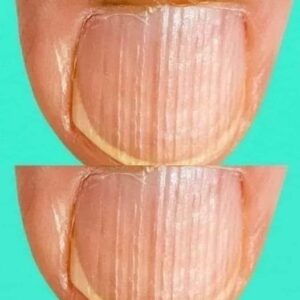
In addition, the Mayo Clinic explains that psoriasis doesn’t limit itself to the skin. It can also affect your nails, causing them to become thickened, pitted, discolored, or even detach from the nail bed (a condition called onycholysis). Nail changes are often an early indicator of psoriatic arthritis, a related condition that affects the joints.
Psoriasis may come in different forms, but understanding its signs can empower you to take control. If you notice any of the signs we’ve covered, consult a dermatologist to get the care and treatment you deserve for your better overall health.
If you’d like to share how you manage your psoriasis, please do so in the comments section below. Next, share this story with your friends so we can hear from them!