The rise of social media sites has meant that photos and videos can be shared
worldwide like never before. As a result, trends develop from time to time
where there seems to be waves of similar content rolling out during a given period.
It probably shouldn’t come as a surprise that content to do with our bodies
– and all the weird, wonderful, fascinating stuff it can do – has proven popular
online. You’ll likely be all too familiar with videos including pimple
popping (gross!), cyst draining (double gross!) and earwax removal.
But have you ever heard of tonsil stones? I hadn’t, in any case, so when I saw a
video on the subject, I decided to do what I do best… share the information with you lovely folks…
I’ll admit to having a high degree of curiosity when it comes to all things related
to the human body. I don’t necessarily think they’re nice to watch, but the
viral-craze of the so-dubbed “pimple popping” videos hooked me like a fish.
That said, when I came across a related video concerning the removal of “tonsil stones”, I wasn’t quite sure what to expect.
To begin with, I’d probably better tell you what exactly tonsil stones are.
I hadn’t heard of them before, let alone seen one. Perhaps I’m alone in this,
maybe all you readers out there are familiar with them. Then again, maybe not…
As per the Mayo Clinic, tonsil stones are hard white or yellow formations that
occur on the tonsils. They’re neither painful nor harmful, and can usually be treated with home remedies.
The main causes of tonsil stones are trapped materials and debris in the tonsillar crypts,
located in the – yep, you guessed it – tonsils, those oval-shaped, infection-fighting
flaps of tissue located at the back of your throat. This can include minerals
, such as calcium, food or debris, or even bacteria and fungi.
Now, tonsil stones are more common than one might think, though they don’t always
cause symptoms. When they do, said symptoms can include bad breath, a cough, earache, and a sore throat, amongst others.
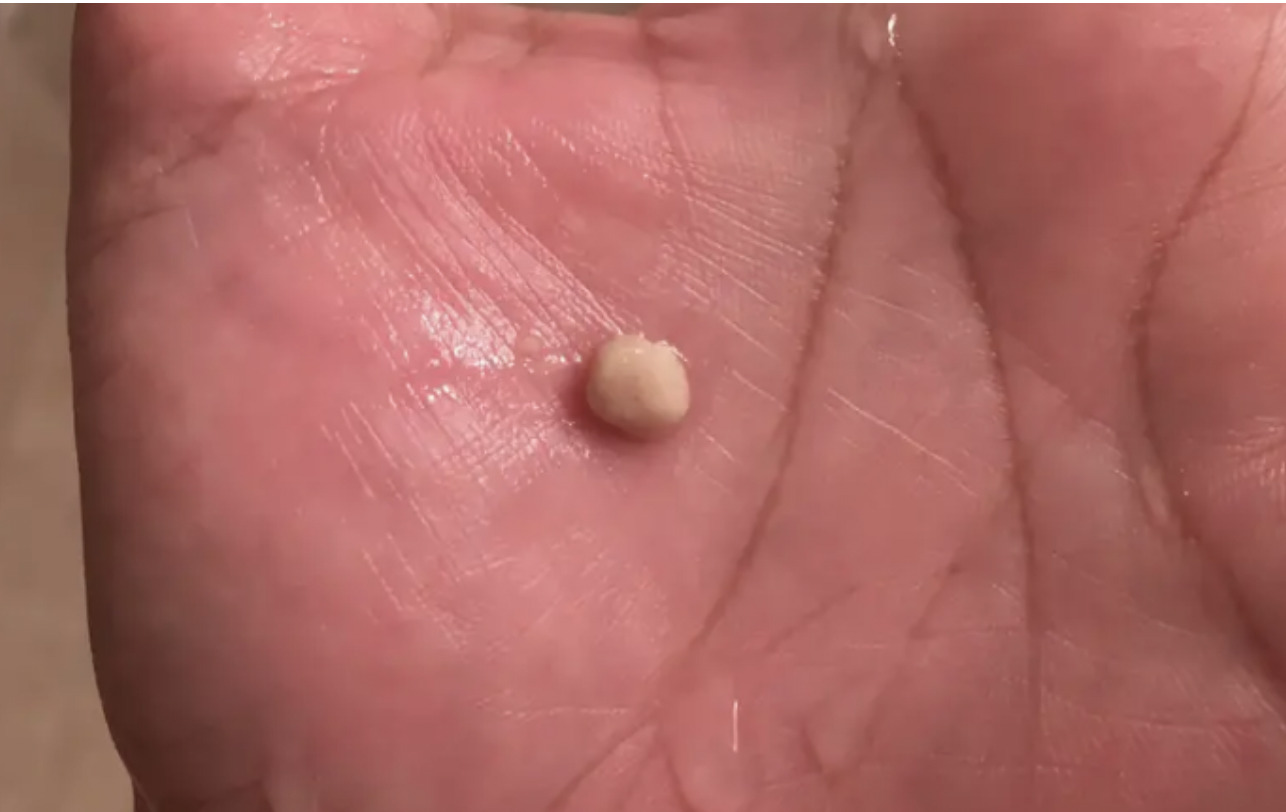
According to reports, 3 million Americans a year suffer from tonsil stones, but fortunately removing them is a rather easy and simple affair. In fact, a variety of home methods including gargling with salt water and using a delicate object – like a cotton swab – can be used to dislodge them.
Not only that, but simply having a strong cough can actually loosen the stones and bring them up.
In the video below (which has a whole lot of views) we can watch someone in the process of removing a tonsil stone. Warning! It’s pretty graphic!
Did you know tonsil stones existed? Have you ever experienced one before? Let us know in the comments.
Meanwhile, if you thought this article was interesting, check out the one below for more compelling content.