A Fascinating Journey Through the History of Thimbles
A Fascinating Journey Through the History of Thimbles
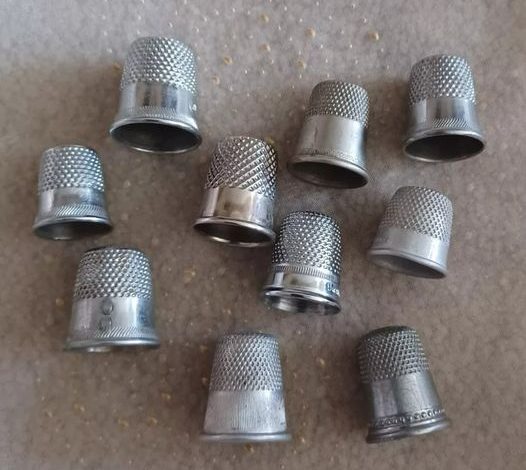
Thimbles have an intriguing history that dates back to ancient times, serving as small but essential tools designed to protect fingers during sewing. Over the centuries, these humble items have evolved into objects of art, symbols of status, and treasured collectibles.
From Ancient Beginnings to Modern-Day Artifacts
Archaeological discoveries trace the earliest known thimbles to Pompeii, where 1st-century AD artisans crafted them from bronze. These early thimbles laid the foundation for a tool that would prove indispensable across cultures and centuries.
Evolving Materials and Exquisite Designs
Throughout history, thimbles have been made from a variety of materials, each reflecting the technological advancements and societal values of its time.
- Medieval Innovations: In the Middle Ages, craftsmen experimented with leather, wood, and metals, leading to practical yet creative designs.
- Nuremberg’s Brass Hub: By the 14th century, Nuremberg, Germany, became renowned for producing durable brass thimbles.
- Luxury in the 17th Century: Wealthy individuals adorned their sewing kits with silver and gold thimbles, elevating these tools to symbols of social prestige.
Versatility Across Trades and Cultures
While sewing remained the primary use for thimbles, they also became essential tools in various trades, such as bookbinding, lace-making, and leatherworking. Their precision and protection made them invaluable across different crafts.
In folklore and pop culture, thimbles have held symbolic meanings. In Peter Pan, a thimble represents a kiss, while the classic board game Monopoly featured a thimble as one of its original game pieces—highlighting its ubiquity in early 20th-century homes.
Collectible Treasures and Cultural Homages
Today, vintage thimbles are cherished by collectors for their historical significance and intricate designs.
- Materials and Eras: Collectors often specialize in thimbles made from porcelain, bone china, or sterling silver, or focus on specific historical periods.
- Museums and Exhibitions: Institutions like the Fingerhut Museum in Creglingen, Germany, showcase thousands of thimbles, celebrating their craftsmanship and cultural legacy.
The Enduring Appeal of Thimbles
Even in the modern age, thimbles continue to captivate artisans and enthusiasts. Contemporary creators merge traditional techniques with innovative designs, ensuring these timeless tools remain relevant.
A Legacy Worth Celebrating
Thimbles are more than practical sewing aids—they are artifacts of historical, cultural, and artistic significance. From their ancient origins to their role in modern craftsmanship, thimbles tell a story of ingenuity and enduring appeal, cherished by collectors and admired by all.