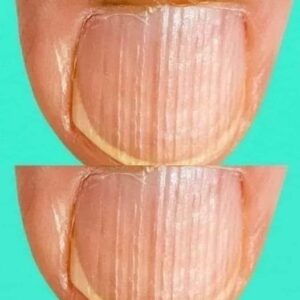
Thickened toenails are a common but often overlooked health concern that can signal underlying issues requiring attention. They result from factors such as fungal infections, injuries, or medical conditions like diabetes and psoriasis.
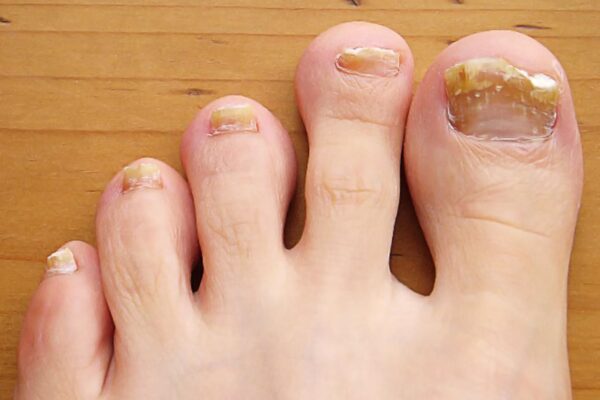
Dr. Abigail Waldman, a dermatologist at Brigham and Women’s Hospital, highlights that feet provide an ideal environment for fungi due to their dampness, often leading to infections that start on the skin and spread to toenails.
Conditions such as onychomycosis, where a new nail grows beneath an infected one, and onychauxis, which causes curling and yellowing, are frequent culprits. Injuries or immune-related conditions can also cause thickened nails.
Symptoms often include discoloration, brittleness, debris under the nails, and foul odors. Left untreated, these issues can lead to complications like tissue damage, nail loss, or infections that spread to surrounding areas, potentially causing severe health problems like cellulitis or even sepsis.
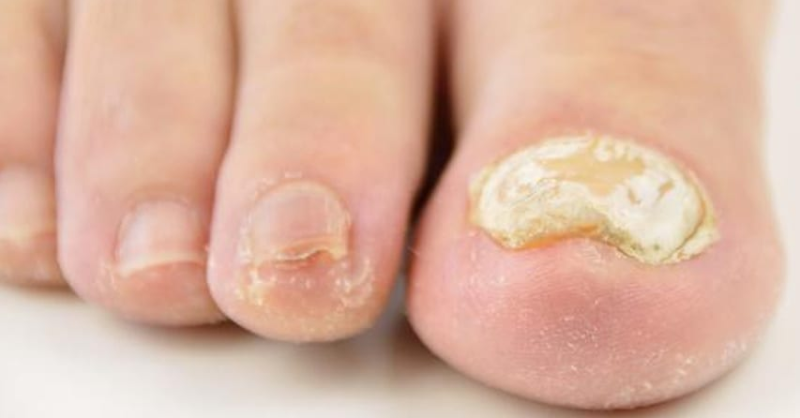
Addressing thickened toenails requires persistent care. Treatment can be challenging as medications often struggle to penetrate the nail. Home remedies, such as soaking feet in a vinegar-water mixture or applying antifungal creams afterward, may help.
Natural solutions like tea tree oil or Vicks VapoRub can also be effective. For advanced cases, oral medications or laser therapy might be necessary. Consulting a healthcare professional is crucial for accurate diagnosis and guidance.
Prevention plays a vital role in avoiding these issues. Maintaining proper foot hygiene, trimming nails regularly, and keeping feet dry are essential steps. Risk factors include walking barefoot in public spaces, frequent pedicures, ill-fitting shoes, and immune-compromising conditions. Protecting feet in communal areas like locker rooms and using separate clippers for infected and healthy nails can also minimize risks.
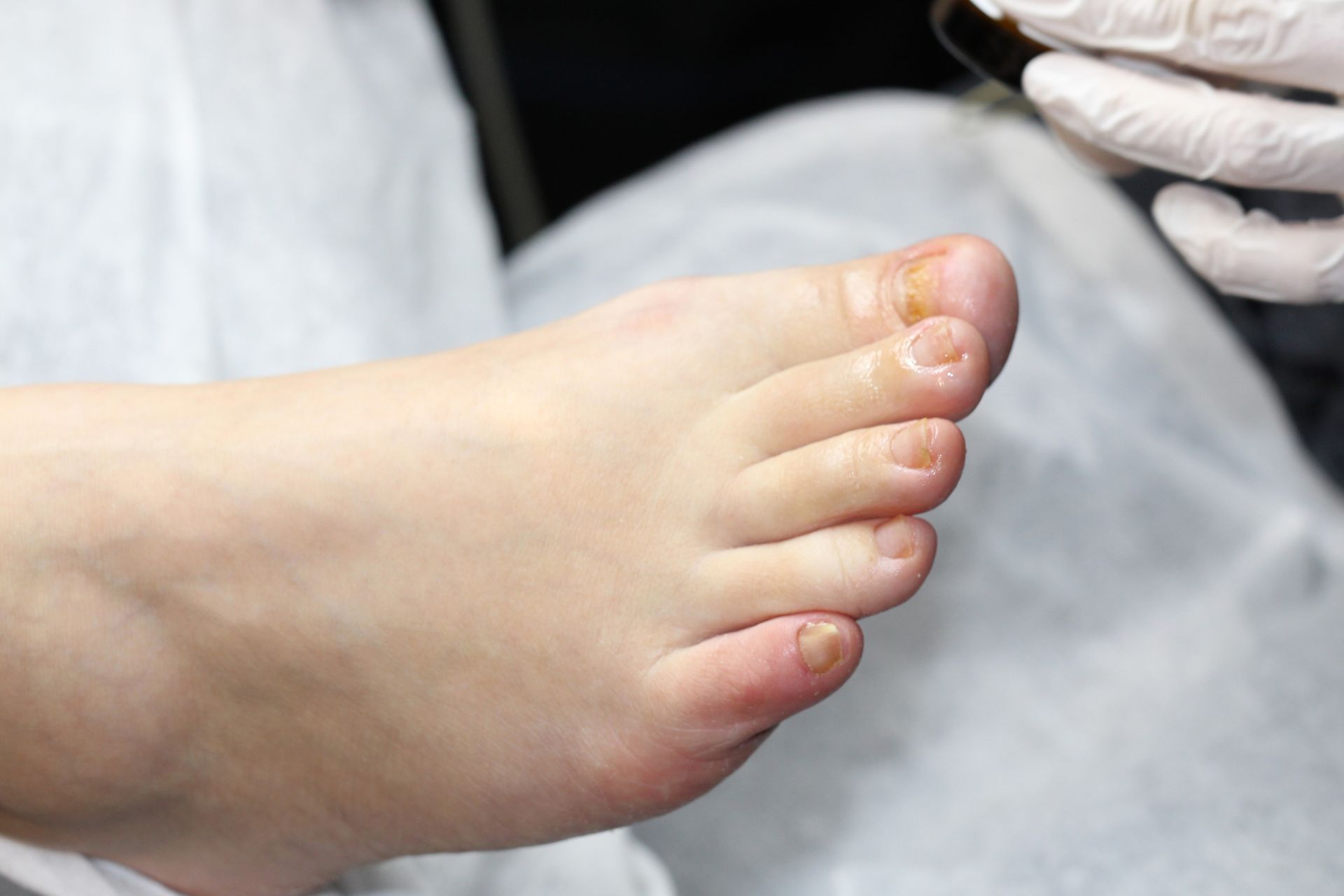
Recovery from nail infections can be a lengthy process, sometimes taking up to a year for healthy nails to fully grow back. During this period, adherence to treatment plans and maintaining cleanliness are critical. Regularly disinfecting socks and shoes and addressing athlete’s foot promptly can help prevent recurrence.
While thickened toenails may seem like a minor inconvenience, they can significantly impact overall health if ignored. By understanding the causes, seeking timely treatment, and adopting preventive measures, you can maintain healthy nails and reduce the likelihood of complications.