Jewelry has always been more than just adornment—it’s a reflection of culture, personality, and identity. Among the many types of jewelry, earrings hold a unique place, with a history intertwined with societal evolution. While pierced earrings have been around for millennia, the invention of clip-on earrings revolutionized how people accessorize, offering a stylish alternative for those hesitant about piercings. Let’s explore the intriguing journey of earrings, focusing on the rise of clip-on earrings and their lasting impact on fashion.
Ancient Origins: The Earliest Earrings
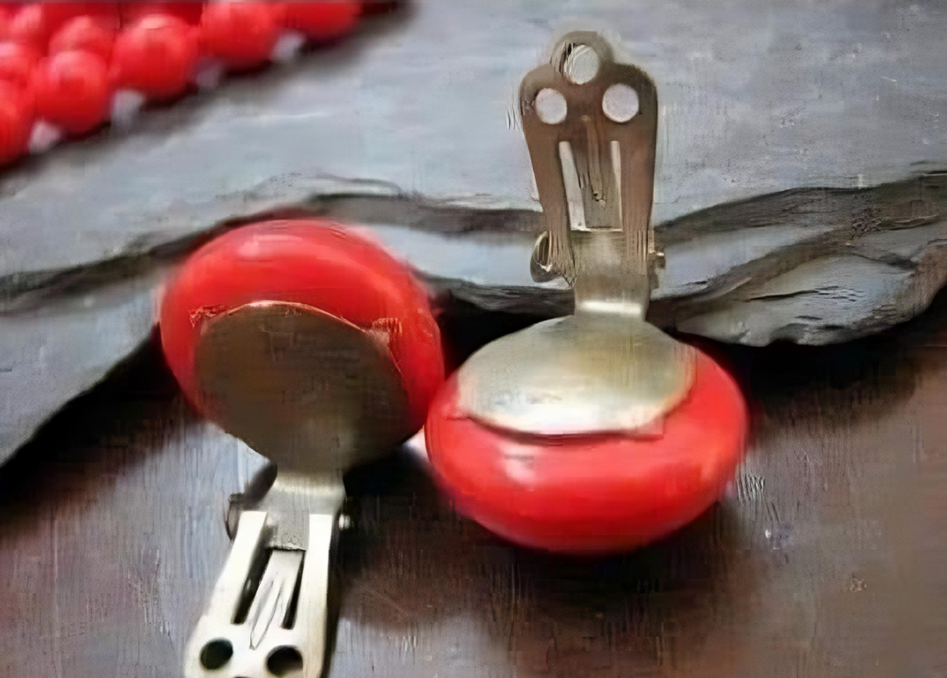
Earrings have been a staple of human adornment for thousands of years, with the earliest examples found in ancient Mesopotamian royal graves in Iraq. These archaeological discoveries show that earrings were not only decorative but also symbols of wealth, power, and status. Throughout ancient civilizations, from Byzantium to times, earrings were worn by both men and women as indicators of social rank and affiliation.
In these early societies, earrings were typically reserved for the elite, and pierced ears were the norm. Earrings for non-pierced ears were virtually unheard of at the time, as they hadn’t yet been invented.
The Renaissance: A Temporary Decline in Earring Fashion
Despite their rich history, earrings disappeared from mainstream European fashion during the Renaissance. Elaborate wigs and high-collared clothing obscured the ears, making earrings less visible and, therefore, less popular. Although some still wore them, they weren’t as essential an accessory as they had been in earlier eras.
As fashion continued to evolve, earrings made a slow return, but they were by no means a central focus during this period.
17th Century Revival: Earrings Make a Comeback
The 17th century brought a significant shift in fashion. As women began wearing their hair pulled back and collars became less restrictive, earrings once again became a popular accessory. This brief resurgence saw earrings re-emerge as a symbol of elegance and femininity. However, by the 18th century, the advent of wide-brimmed bonnets and ribbons once again concealed the ears, pushing earrings back into obscurity.
The Victorian Era: Pierced Ears and Social Norms
The 19th century marked a pivotal moment in earring history. As women abandoned bonnets and began wearing their hair up, earrings once again came into vogue. However, societal views had shifted, particularly in Victorian England, where pierced ears were often seen as vulgar or inappropriate. This created a dilemma for fashionable women who wanted to wear earrings without sacrificing their social standing.
Enter the innovation that would change everything: the clip-on earring.
The Birth of Clip-On Earrings: A 20th Century Innovation