Have you ever visited a history museum or a battlefield with your school, when the teacher would give you a cannonball to hold and demonstrate how heavy it was, describing the sounds of battles and explosions in the open field? These experiences encouraged people to think, and provided a glimpse into our history and the physical reminders of conflicts that defined a country.
source: eBay
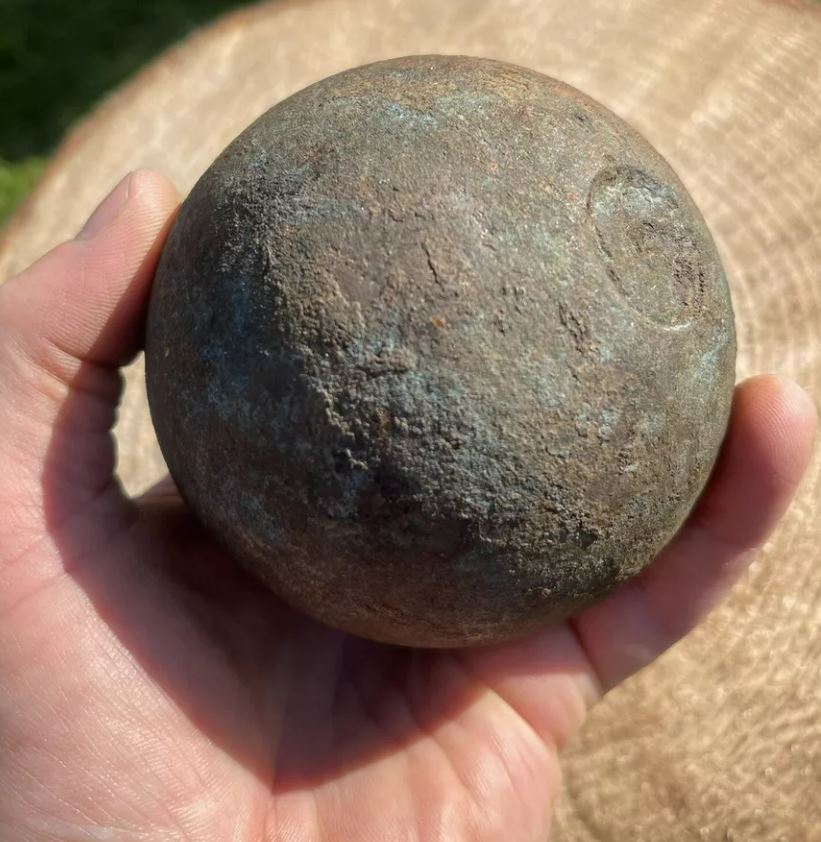
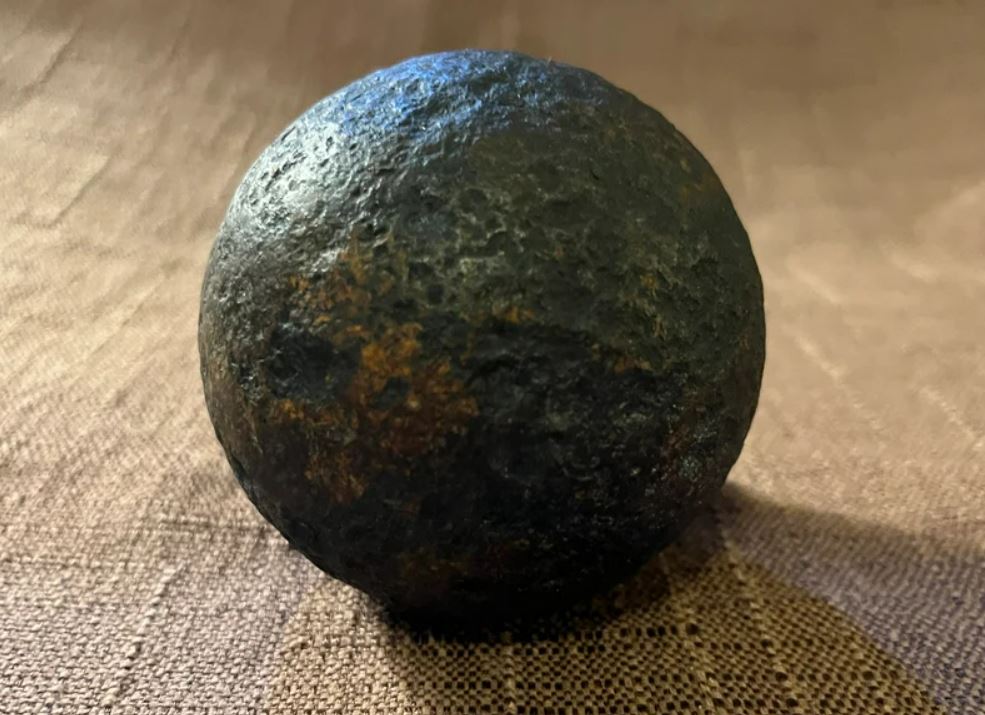
Cannonballs, the huge iron balls that used to roll out of the barrels of cannons, are typical relics of warfare of earlier centuries. Its basic yet effective structure was instrumental in battles from the medieval period up to the 19th century. Made from solid or hollow iron, these round shaped projectiles were used to knock down walls, disperse the enemies and to pierce through the sides of the enemy ships.
Cannonballs provide a rich understanding of how wars have been fought and the technologies used in the course of history. Every cannonball found or conserved today has a tale of ancient battles and the unrelenting search for military improvement. They were not just weapons of the warfare but also means that played a role in determining the fate of major battles and thus history. Their application and evolution offer an interesting insight into the creativity and adaptability of the military engineers of the past.
To those who collect antiques, an old cannonball is a precious find, a piece that tells a story of great history. People keep these artifacts as trophies for their historical value and the tales that are told by the rust marks on the items. But it is important that collectors do not mishandle these pieces as some of the older cannonballs may still contain unexploded explosives.
Thinking about the cannonball, we recall that people are capable of both destruction and innovation. Nowadays, as we showcase these relics in museums or preserve them as antiques, they become sources of information and topics for discussion that can pique the curiosity of people and make them more aware of history.
source: Etsy
In conclusion, whether one considers cannonballs to be valuable collectibles or relics of the past, they remind us to look into the past to learn more about our forebears’ victories and tribulations. They urge people to protect and cherish the culture and history so that the coming generations may be able to understand and feel it as we do.